Agnotological AI 
robhorning.substack.com

“Agnotology” is the study of the deliberate production of ignorance. In this article, Rob Horning looks at generative AI through that lens.

For much of the piece, Rob accuses AI of destroying human curiosity. Brought into schools, for example, education can:

[…] become a matter of consuming abstract demonstrations of “convenience,” without students having to commit to caring about any underlying interests. Untethered from any particular goal, their self-optimization can become a kind of infinite regress, an insatiable preoccupation that promises to pre-empt other forms of existential anxiety. Ignorance appears as efficiency, and helplessness appears as liberation (as when rich people proudly advertise their turning to chatbots for help with basic human decency).

Next, he ties AI to the cheap, empty-calorie pleasure served up by social platforms. That pleasure comes from fakes and scams, and it can be replicated endlessly “by the laziest of grifters.” Rob goes on:

AI’s express purpose is to discourage people from thinking, creating, or making decisions, and most of the marketing for it is meant to acclimate people to that passive and stupefied condition as if it were a kind of manifest destiny.

For me, the high point of the article is the next paragraph:

A shorter way of putting that is that the purpose of AI is to reap profits from destroying curiosity. Why would tech companies want to do that? It may be that they simply have to commit to what their technology can actually accomplish (is there a difference between a smart machine and a stupid public?), but perhaps they also assume that sapping people’s will and undermining their belief in the value of experiencing new thoughts makes them more manipulatable consumers who only care about “efficiently consuming time,” as this analysis of Chinese microdramas concludes. They may not want more, but their inertial desire can be made more compulsive while it’s steered toward lucrative targets. If you can’t come up with desires on your own, you’ll need technology and marketing to inject you with a sense of purpose. And the push for AI certainly embeds more surveillance in our infrastructure as well as the processing capacity to weaponize it against anyone.


I banned Roku from my internet to try to save my Roku Express

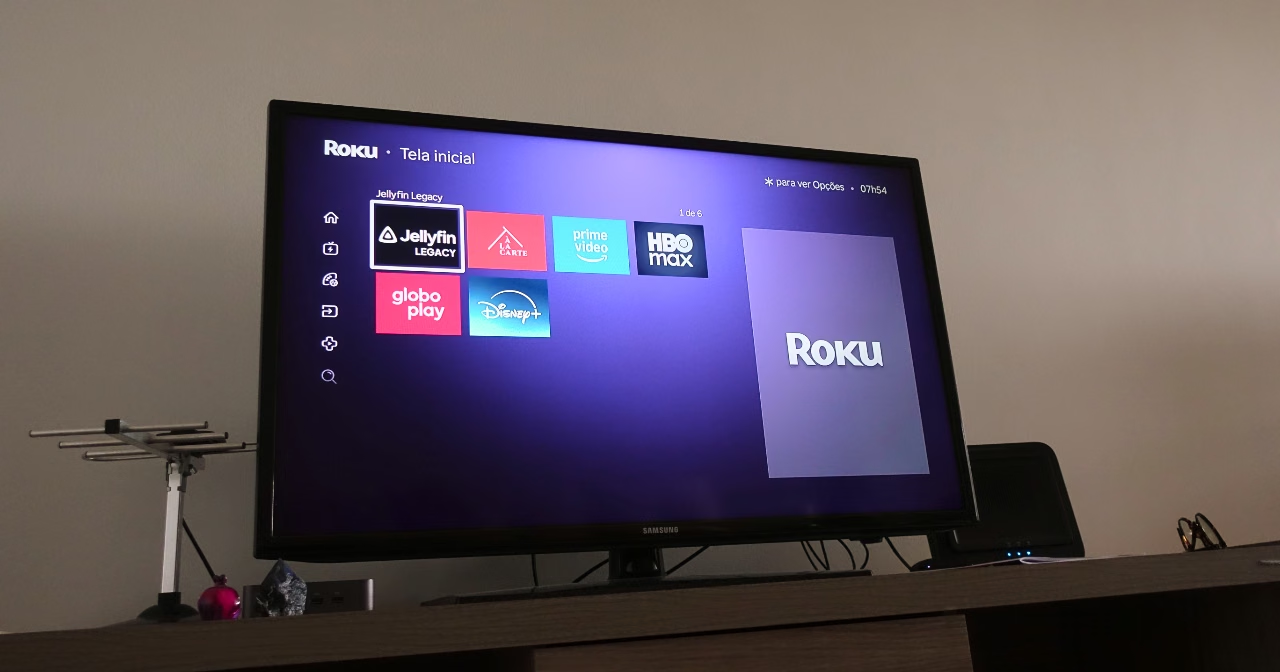
Foto de uma TV com a tela inicial do Roku OS, exibindo apenas os aplicativos/canais do usuário, sem recomendações nem anúncios.

“Enshittification,” the process by which software and services degrade for the provider’s benefit, tends to be gradual, the digital equivalent of the proverbial frog that, heated slowly, doesn’t notice it’s being boiled. At some point in the recent past, Roku, after years of cooking us in lukewarm water, tossed me and the Roku Express I bought in 2022 into a cauldron of boiling water.

I wrapped up my review of the Roku Express [pt_BR], four years ago, by saying:

(more…)

We created gyms because modern day work no longer required physical activity. Without exercise, our muscles atrophy.

I predict we’ll need gyms for our brains too, once AI starts doing our knowledge work.

East Asian man with short black hair, wearing a white top and a headset microphone along his cheek.Andrew Yeung
Investor who throws parties for tech CEOs

So many flawed assumptions packed into two sentences — mistaking “modern” for “intellectual,” assuming people’s brains weren’t already atrophied before AI — but what really stands out is that the AI bros are about to reinvent the concept of the “book.”

8 GB ought to be enough for anybody

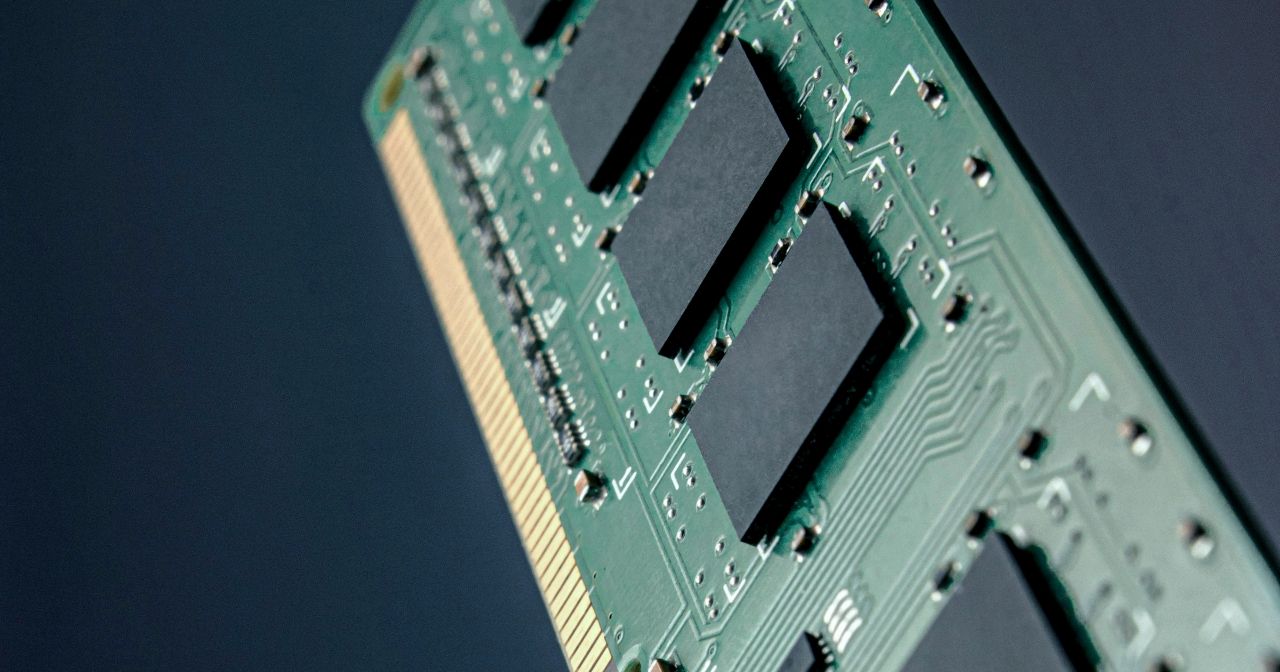
Close de um pente de RAM.

The world is going through a memory shortage. Not the kind in our brains (though that may be true too), but the memory inside our computers and phones.

Blame the AI companies. “Them again!” you might be thinking. OpenAI, Google, Anthropic and co. are buying up as much of the world’s memory output as they can get their hands on to feed their data centers. Very little is left, and that little — as is typical of the savagery of unregulated capitalism — is sold for its weight in gold.

(more…)

How to free your email from the clutches of Google (Gmail) or Microsoft (Outlook)

Ícones coloridos e brilhantes de cartas flutuando no escuro.

One of the first steps for anyone setting out to reduce their dependence on Big Tech is moving their email away from Google or Microsoft.

The process itself isn’t particularly complex. The problem is cultural. The dominance of these two services — Gmail and Hotmail/Outlook — has eroded our understanding of one of the oldest internet technologies we still use, and one that remains important.

(more…)

Notational Velocity and nvALT, classic macOS note-taking apps, are back

Back when I used Windows, over ten years ago, I had a serious case of Mac envy, all because of Notational Velocity, a lightning-fast note-taking app.
Its signature look, with the list of notes at the top and the selected note’s text below, came with full keyboard control and a global shortcut to start a new note. Under the hood, everything was saved as plain text files (*.txt or similar). People loved it!

(more…)

Blink and you missed it: Google gave itself the right to use your Gmail, Drive, and Photos to personalize ads

Google has changed an important rule in its terms regarding the use of user content stored in Drive, Photos, and Gmail. Until October 16th, the document stated:

We don’t show you personalized ads based on your content from Drive, Gmail, or Photos.

The new terms extend that passage with some strings attached:

We don’t show you personalized ads based on your content from Drive, Gmail, or Google Photos, unless you choose to make data from these services available to other Google services that support personalized ads.

(It’s worth browsing the history/archive of the terms. There’s been a lot of activity since Gemini launched.)

It’s not as if Google will start actively combing through your emails, photos, and files, but sharing anything with, say, Gemini or AI Mode in Search makes that content fair game for ad personalization. (Pretty vague wording, huh? Probably on purpose.) Given how much Google nags its users to try AI stuff, it’s easy to share something without noticing.

Android Authority, the first to spot this concession in the new terms, recommends unlinking connected apps from your Google account in the privacy settings. I’ll admit I couldn’t find the screen they mention. Maybe because everything was already turned off in my dusty old Google account? Who knows.

“Vibe coding” this blog

About two years ago, curious about the buzz around generative AI for coding, I asked Claude to fix bugs and optimize the theme I use on the Manual.

It spent a good while poking around the theme files. The changes it announced made sense. And how much had been slipping through the cracks! I was living in the future. Super excited, I fired up the modified theme and… the update triggered a fatal error and took the site down. I reverted every change and went on with my life.

Unfortunately, I didn’t keep that AI-modified copy, or the pull request in the theme’s repository. You’ll have to take my word for it.

Cut to 2026.

(more…)

Maybe I hate technology

Opening up about my screen addiction on Manual in May drew a strong response. Among the many comments and emails I received, one message from a reader, R., stood out. A software developer, she related to my story. She said what saves her is “sort of hating technology.”

I’ve been thinking about it ever since I read that email, months ago.

(more…)

Lançamento do Plasma 6.8 marca aniversário de 30 anos do KDE

KDE’s 30 years anniversary is today (14th), with the release of Plasma 6.8 as part of celebrations.

Of all the desktop environments for Linux, Plasma is what I like the most. I hope to one day use it on a “daily driver” computer.

Curiosity: the email from Matthias Ettrich announcing the “Kool Desktop Environment” in 1996. “So one of the major goals is to provide a modern and common look&feel for all the applications. And this is exactly the reason, why this project is different from elder attempts.”

HomeView video ad

Apple is selling the recently announced HomeView, an iPad mini glued to a speaker that serves as a hub for the home, with a chaotic commercial in which a family runs over for breakfast. I can’t remember any other company commercial that causes anxiety and contempt for the product.

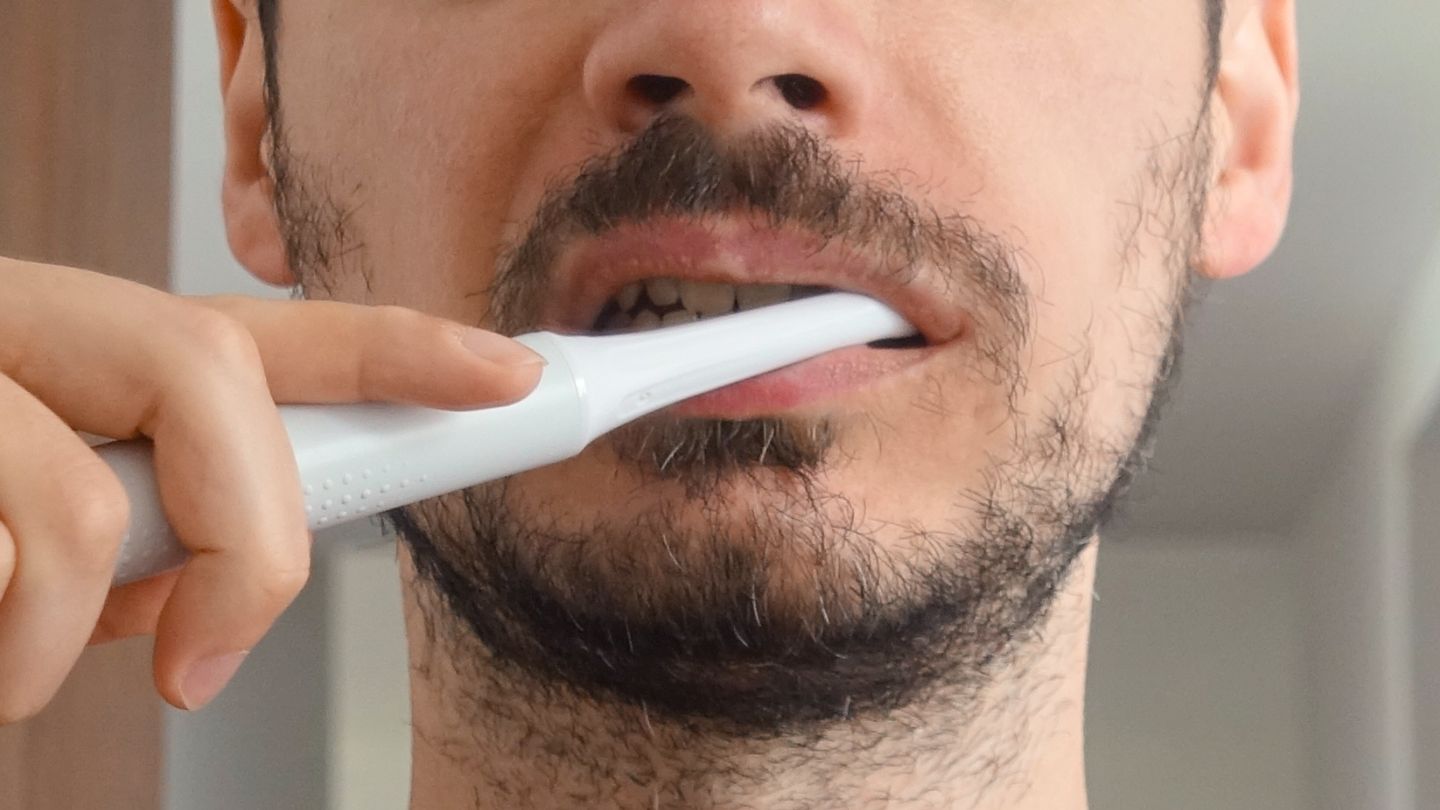
The electric toothbrush, one year later

Homem escovando os dentes com uma escova de dentes elétrica branca. Foto cortada, do pescoço ao nariz.

The capitalist man has a tendency to complicate (and charge for) everything around him. Want to go running in 2026? Buy a pro running shoes, drink whey protein every day, sign up and pay to run with other people and receive a banana and a cheap tin medal at the finish line.

For a long time, I regarded the electric toothbrush as one of those low-return, almost useless advances, even though I had never used one. It didn’t help that, until a few years ago, it was an object I only saw in American movies and TV shows — the United States being one of the world leaders in inventing dispensable gadgets.

About a year ago, in mid-2025, I bought one. I don’t remember whether I was influenced by something I read (likely), only that the price seemed reasonable enough to give convenience a chance.

(more…)

The return of phones with physical keyboards?

Clicks, a US startup about to launch its first phone, told Mobile Time [pt_BR] that it is working to expand its presence in Latin America.

The message was delivered to the Brazilian publication by Clicks co-founder and CMO Jeff Gadway, who also said that “[we’ll have] more news to share in early 2027.”

The Clicks Communicator, the brand’s upcoming phone, can be used as a “companion” to your main phone or as your only phone. It has an interface built around text messaging, created in partnership with the folks at Niagara Launcher, and the form factor associated with phones from the late RIM, maker of the BlackBerry: a square screen on top and, below it, a small physical QWERTY keyboard.

Other fringe brands have also been betting on bringing the tiny keyboard back, such as Unihertz with the Titan 2 Elite and Minimal, which just released the Phone 2.

To be honest with you, I’ve never used one of these phones, either from the new batch or back in RIM’s heyday. That leaves me wondering whether there’s anything beyond pure nostalgia in this attempt to resurrect the format.

Back then, the advantage of a full keyboard was obvious compared with the alternative available: numeric keypads with T9 predictive text. Today, with smart virtual keyboards that predict your next words, or where you type by swiping a finger across the screen? I have my doubts.

This new batch also appeals to “minimalists” and people who want to use their phones less. The promise of the square screen, making some of today’s digital vices, especially vertical videos, awkward to indulge in, has some logic to it, but is it enough?

All three devices mentioned run Android, which means the door to addictive apps is always open. It’s well known that minor annoyances aren’t an effective barrier for someone who is hooked.

Also note that these phones are expensive. The Clicks Communicator is up for pre-order in the US for USD 649.

A better remedy might be to make your phone, whichever one it is, less fun and more utilitarian. The other day I came across this video that details some ideas for making your routine more fun than your phone. Those seem like more promising paths, and cheaper ones too.

Blocking of unverified apps on Android starts in Brazil and other three countries

Google’s new arrangement for installing unverified apps on Android takes effect this Thursday (Oct. 1st) here in Brazil.

Indonesia, Singapore, and Thailand are also among the first countries to be affected.

F-Droid and other free and/or Google-independent initiatives have been raising a ruckus over the changes. They are, indeed, an extra hurdle for apps distributed without Google’s blessing. Verifying an app means identifying yourself to Google, which — understandably — many developers don’t want to do.

Heads-up! In July, Google announced that the first phase, running from now through 2027, will only affect apps distributed through specific stores: its own Play Store, Honor, Oppo, Samsung, Transsion, Vivo/Jovi, and Xiaomi. In other words, F-Droid got a breather until 2027. What a mess!

I covered the story [pt_BR] here at Manual before Google unveiled the so-called “advanced flow” for enabling the phone to install unverified apps. The flow, as per Google, works like this:

  • Enable developer mode in system settings. Activating this is simple. This prevents accidental triggers or “one-tap” bypasses often used in high-pressure scams.
  • Restart your phone and reauthenticate. This cuts off any remote access or active phone calls a scammer might be using to watch what you’re doing.
  • Come back after the protective waiting period and verify. There is a one-time, one-day wait and then you can confirm that this is really you who’s making this change with our biometric authentication (fingerprint or face unlock) or device PIN. Scammers rely on manufactured urgency, so this breaks their spell and gives you time to think.
  • Install apps. Once you confirm you understand the risks, you’re all set to install apps from unverified developers, with the option of enabling for 7 days or indefinitely. For safety, you’ll still see a warning that the app is from an unverified developer, but you can just tap “Install Anyway.”

I’ll play devil’s advocate here and say… this seems like a good measure? I know that in an ideal world (or for those who live and breathe tech) the phone is yours and you do whatever you want with it, but in the real world there are millions of elderly people, people with low literacy, teenagers, and people who simply have better things to do, all left at the mercy of scammers all day, every day.

It’s worth noting that this arrangement only applies to phones running Google-certified Android. On alternative systems without Google’s underpinnings, such as LineageOS (without microG), GrapheneOS, and HarmonyOS (Huawei’s), nothing changes.

For those who know what they’re doing, the “advanced flow” only needs to be done once. Its effects even carry over to new phones.

Coincidentally, the start of Android’s app verification coincides with Brazil’s ban on online gambling, enacted by the Lula administration through a provisional measure (an executive order with the force of law) last Friday (25th). The extra difficulty in installing unverified apps may help defend against illegal betting apps, as long as they aren’t verified with Google — which isn’t the case for operators that were licensed in the country.