Another week on Linux

Sometimes I get bitten by the free software bug. I’ve followed the consumer tech industry for decades, and immersed in that universe, it’s hard not to grow disillusioned with its monopolies, questionable practices, and normalized abuses. Although disdain for big tech is more fashionable these days, we’re far from any universal, practical shift because — let’s face it — that shift comes at a cost. Try convincing someone to swap WhatsApp for Signal, for instance.

In late July, my free software fever reached dangerous temperatures. Once again, I found myself installing a Linux distro with the intent of freeing myself from macOS, the first step out of Apple’s walled garden; I thought I was standing at the door of a digital utopia, something like the modern-day dream of dropping everything to go live off the land.

(more…)

Sharing between Pixel devices is now just a tap away 
blog.google

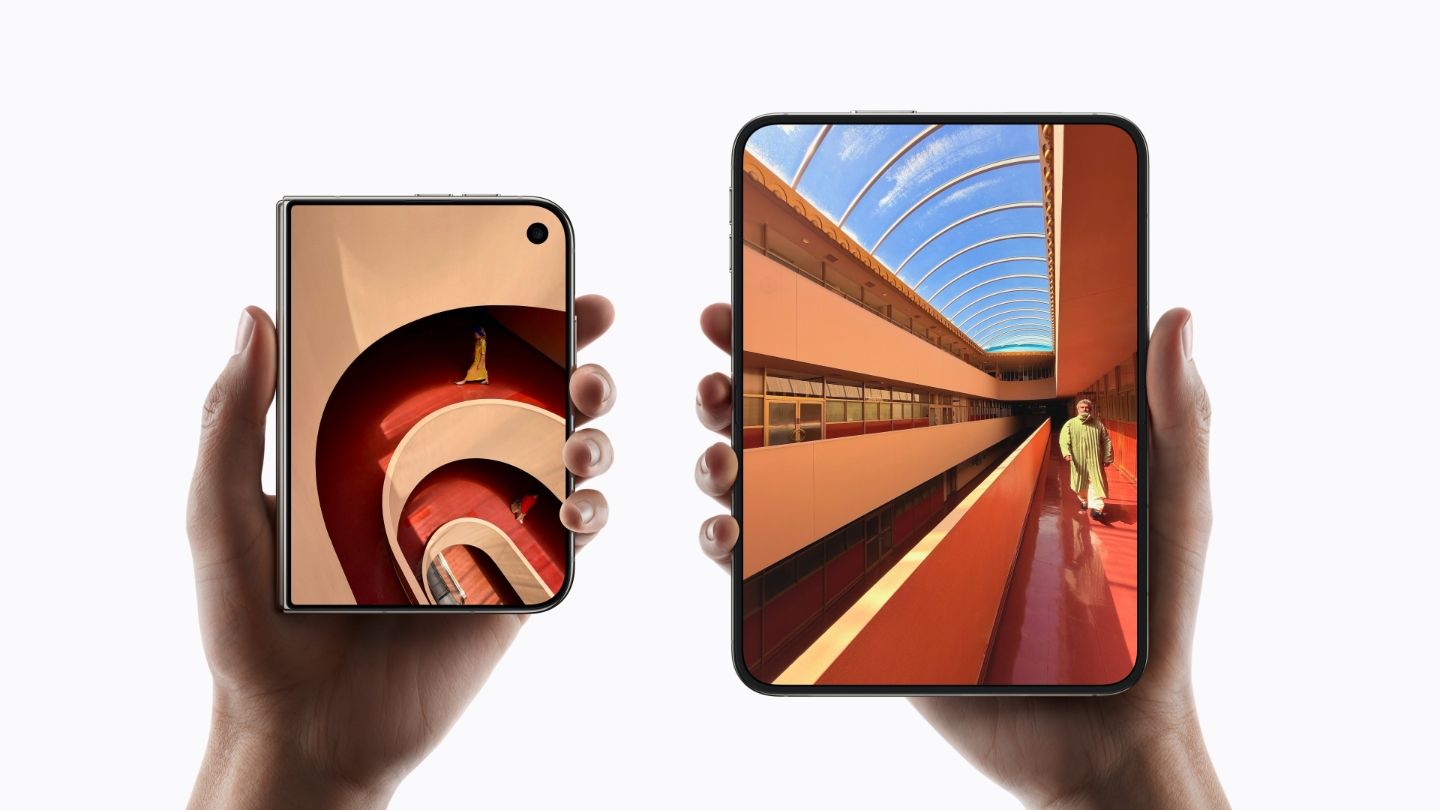
Android has picked up that iPhone feature of tapping two phones together to share files and contacts via AirDrop. (In Google’s case, obviously, it’s through Quick Share.)

The only downside is that the rollout is uneven. Already available on the Pixel 6 and later, “coming soon” for the Galaxy Z Fold 8 Ultra, Fold 8, and Flip 8, with more phones (which ones?) by the end of the year.

Gnome Shell Design Dreams 
blogs.gnome.org

The Gnome Shell user interface has mostly seen minor refinements and quality of life updates in recent cycles, but on the design side we’ve explored a lot of longer-term things we’d like to do. Some of these we have relatively complete plans for, others are more vague ideas that need more research and prototyping. As always, getting things like these implemented depends on developer capacity and interest (and sometimes funding).

I like the ideas. None of them represents a major break from the current interface; several bring Gnome in line with the experience that’s expected and common in other desktop environments and operating systems.

The most advanced one, which should appear in the next version (Gnome 51), is the overlay showing search results (image), instead of these appearing on their own dedicated/full screen. The change is justified in light of the philosophy adopted in Gnome 40: “When you navigate GNOME Shell, interface elements always come from somewhere, and exit to somewhere else, in a way that’s semantic and predictable over time.”

“As a Windows user, it’s a very surreal way to install a program” 
unsung.aresluna.org

Of the many oddities that a beginner has in macOS, the way to install applications is one of the most curious. Just drag the icon anywhere, preferably the /Applications directory. Installers (*.dmg files) usually open windows in the Finder with instructions. Marcin Wichary collected a handful of them to analyze the different ways developers guide users.

As a thought experiment, imagine only one person had a superintelligent lawyer. They would have an unfair advantage in court — even if they were wrong on the merits. That would lead to a worse society. But now imagine everyone has a superintelligent lawyer. In this case, justice would be carried out much more fairly and efficiently than it is today when there is often an imbalance in skills and resources in litigation.

White man, looking sideways, with a worried face.Mark Zuckerberg
Meta CEO and co-founder

Maybe Zuck should put those superintelligent AI lawyers to work on Meta’s own lawsuits. Even with the best (flesh-and-blood) lawyers money can buy, the company keeps racking up losses in U.S. courts, accused of harming minors with its addictive apps. The latest was last week (6th), in New Mexico.

The line above comes from a lengthy essay by Meta’s CEO, “The future is for everyone.” Does anyone still take this drivel of platitudes, lies, and empty promises seriously? This must be the fourth or fifth one he’s put his name to. None of them have aged well. There was the one about encrypted messaging on Instagram in 2019, the “global community” one from 2017, the metaverse one from 2021 again… notice the pattern.

This guy used Claude to accidentally plagiarize an app

Terry Godier, who made a name for himself in certain corners of the web earlier this year with an essay on RSS and his subsequent iOS app, Currents, launched another one called Dark Hours, this one on the web, after Apple reportedly rejected it for containing astrology elements, which the App Store’s policies ban and which Godier, at first, denied was the case.

(more…)

Early in 2026, a Chinese app that alerts trusted contacts if the user is still alive made some noise. The premise, somewhat morbid, is useful for certain groups, like activists, journalists covering high-risk areas, and people who live alone. The person has to check in at regular intervals. If they fail to, their contacts are notified automatically.

Wellness Ping is a variation on this kind of service with an approach that promises greater privacy: it’s free, requires no app download, and everything happens over email or Signal (preferred). Announcing version 2.0, its creator, who goes by Micr0byte, said that the code (which is open source) went through a full security review.

Cool links of the week

I collect cool, interesting links spread all over the web and share them here every Thursday. Hope you enjoy! More of them in the archive.

The phone in your hand. A detailed breakdown of the components inside the phone you’re probably reading this on.

OpenHistoricalMap. Built on OpenStreetMap, this site shows a timeline of the world’s borders throughout human history. Tip from Daniely.

Loading UI. A huge collection of “loading” state animations. Nobody likes seeing them, but if it’s unavoidable, it might as well be cute.

Interactive assembly guides. An unofficial digital version of IKEA’s famous assembly instructions. Best viewed on a big screen.

Why are some people better at mowing lawns? An interactive game where the goal is to mow the whole lawn in the shortest path/fewest moves.

How to build a Nintendo 64 game in 2026. Ever heard of Xibalba 64? If not, you probably don’t own a Nintendo 64 or an M64.

Moist Towelette Online Museum. Tear open the packet, pull out the wipe, and use it.

More linked devices are on the table (and the Android tablet) 
signal.org

The latest update for Signal Android [8.20] introduces comprehensive support for linked devices. Now you can easily link another Android phone or Android tablet to your Signal account. […]

We’re also expanding linked device support on iOS [in version 8.22] so you can link an iPhone to your Signal account in addition to our ongoing support for iPads.

A few weeks ago, I went the opposite direction — I stripped messaging apps down to just my phone. It’s part of a personal experiment to steer conversations toward channels I find better suited for urgent matters (phone calls) or more complex discussions (email). That said, it’s still great to see the Signal team cross another item off the never-ending wishlist of features people keep asking for in messaging apps.