
8 GB ought to be enough for anybody
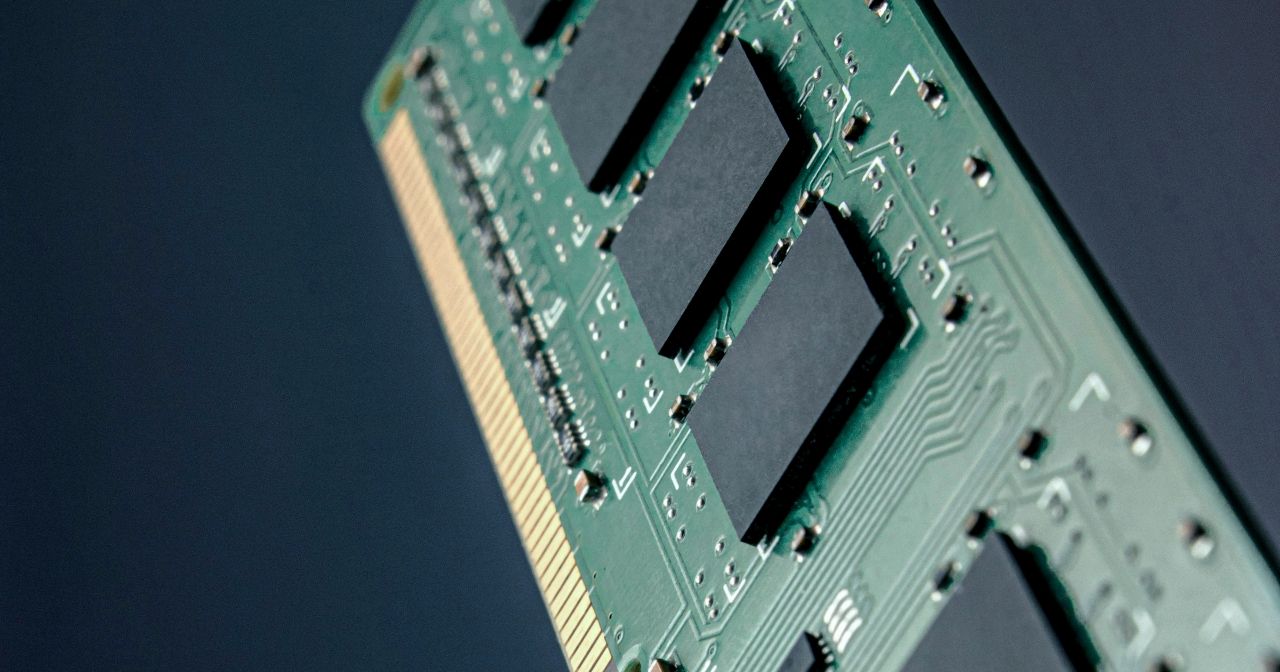
The world is going through a memory shortage. Not the kind in our brains (though that may be true too), but the memory inside our computers and phones.
Blame the AI companies. “Them again!” you might be thinking. OpenAI, Google, Anthropic and co. are buying up as much of the world’s memory output as they can get their hands on to feed their data centers. Very little is left, and that little — as is typical of the savagery of unregulated capitalism — is sold for its weight in gold.
Memory limits and artificial scarcity are nothing new. Bill Gates, co-founder of Microsoft, is credited with saying, back in 1981, that “640 KB [of memory] ought to be enough for anybody.” (He denies it.)
This week, OpenAI CEO Sam Altman kept alive the proud tradition of bizarre statements from tech leaders by saying, on a podcast:
But from a global allocation perspective, actually, it’s quite terrible to have everybody have a bunch of the world’s limited supply of DRAM sitting in their own computer and being used five percent of the time.
It’s “pretty terrible” for him, of course, since he sells computing power to us mere mortals with our 8 GB RAM computers (that’s me!).
As useful as AI may be, concentrating resources in the hands of a handful of companies — now that’s always “pretty terrible” for society as a whole.
The shortage has two practical effects on the consumer market, both already visible:
- Products that rely on memory (RAM and storage) get more expensive. In other words, phones and computers cost more. A knock-on effect hits the entry-level segment: with thinner profit margins to begin with, it loses its reason to exist once prices skyrocket. Put simply, “bang-for-your-buck” products tend to disappear from store shelves.
- Fewer people and businesses replace what they already own, extending the lifespan of phones and computers that, just a few years ago, would have been tossed for any silly reason.
There’s a certain cruelty in raising the prices of products we all depend on today. Plenty of people (most of them?) only replace their phone when they have to: when it breaks, gets stolen, or degrades to the point of being unusable.
It also bothers me that an outcome I consider very beneficial in itself — keeping electronic devices in use for longer — is driven not by awareness, but by surging demand for a component these devices can’t do without, and the price hikes that follow.
I’m not buying the theory that we’ll come out of this better off. (If it didn’t happen with COVID, it won’t happen here.) As soon as memory prices drop — something some analysts expect by 2030 — consumer electronics sales will probably climb again. Companies’ aggressive, powerful and misleading marketing won’t lead us to a collective realization that replacing a perfectly good phone is unnecessary, a luxury.
Still, maybe we will come out of this turbulent period with a few wins after all.
Microsoft, for example, set up a task force to make Windows 11, a notorious memory hog, less demanding on computers with “only” 8 GB of RAM.
The company says that, in controlled tests, Windows became 20% more “responsive” and 40% faster at multitasking compared to the same operating system in January of this year.
It strikes me that, by and large, what we do with a computer today isn’t much different from 20 years ago: browsing the web, email, word processing, spreadsheets.
Windows XP, released in 2001, required at least 64 MB of RAM, or 0.78% of 8 GB. Let’s be fairer: even with 512 MB, a palatial amount of memory at the time, we’re still talking about 6.25% of the 8,192 MB we’ve agreed to call “8 GB.”
I get it: we have ultra-high-resolution images, a bunch of background processes that keep things running, the modern web — a tangled mess of JavaScript that makes even powerful computers sweat — and Electron apps, which are modern websites running inside their own browser. And maybe that’s exactly the problem. Abundant computing power, combined with the conflicting interests of manufacturers and users, has left us with bad software.
Android shows just how much there is to gain when software slims down. Because it’s open, it lets you install alternative (and up-to-date) operating systems instead of Google’s, or make deep changes to remove or disable preinstalled features. All this despite Google’s repeated efforts to undermine the openness of its own Android.
The performance gap between a phone running Google-certified Android and the same phone running something like LineageOS is staggering.
I have a Moto G7 Play I use to test Android stuff. It was already slow when it came out. It shipped with Android 9 and got only one major update. Thanks to LineageOS, I was able to upgrade it to Android 16, which still gets security updates, and get performance it never had with the stock software.
Slim as the odds may be, the current memory crisis is the first chance in a long time to reverse this ever-growing software bloat.